

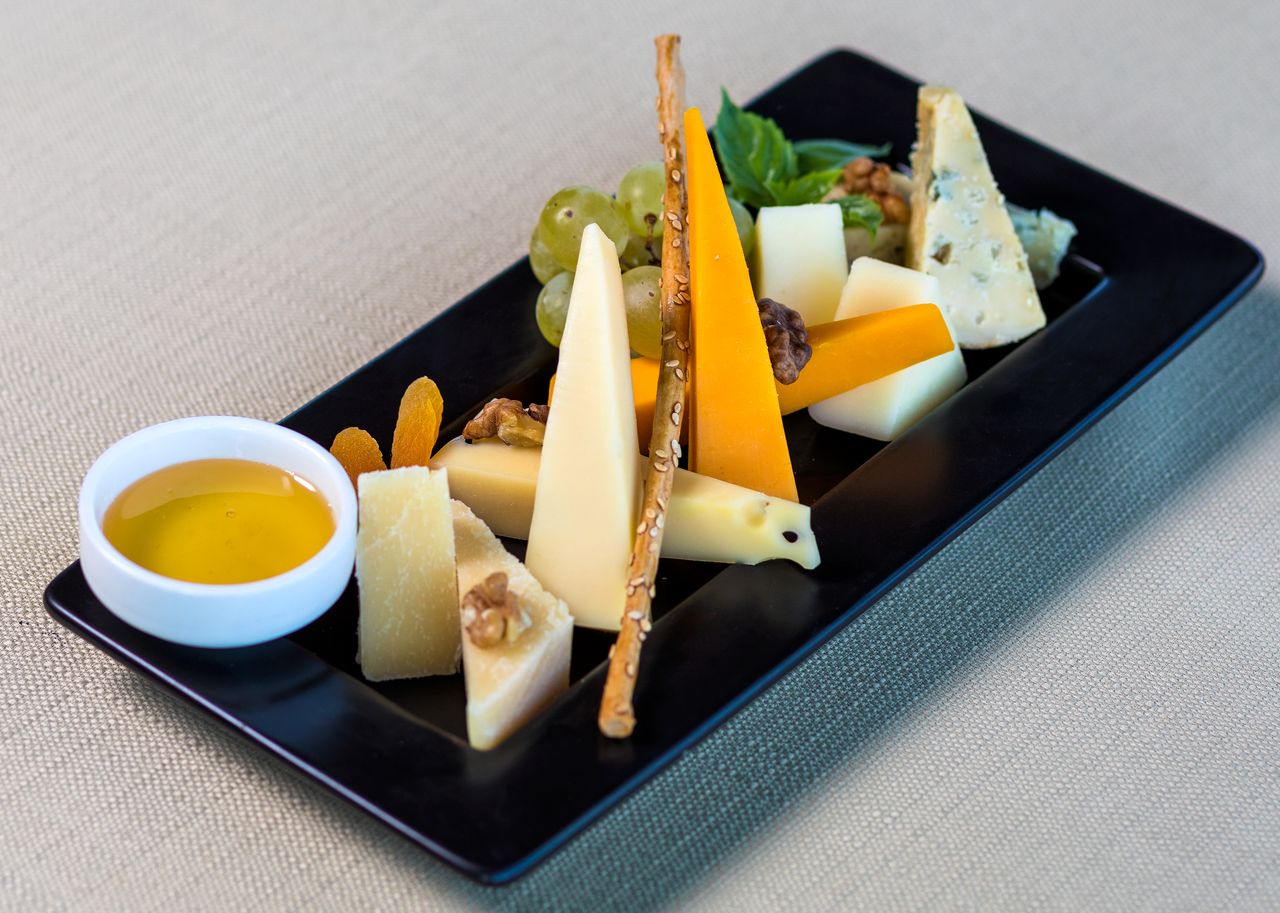
The Ultimate Guide to the 6 Essential Families of Cheese
Behind every great culinary creation, cheese board, or comfort meal lies one of the world’s oldest and most versatile foods. With thousands of distinct varieties globally, navigating the cheese counter can feel overwhelming. However, almost every cheese falls into one of six major families based on moisture, texture, and how it is aged.
Understanding these categories will instantly upgrade your pairing skills and cooking intuition.
1. Fresh Cheeses (Unaged)
Fresh cheeses are the simplest style. They do not have a rind, are not aged, and retain a very high moisture content. Because they are unripened, they possess a clean, milky flavor with a gentle, refreshing tang.
- Texture: Soft, spreadable, creamy, or crumbly.
- Popular Varieties: Mozzarella, Ricotta, Feta, and Goat Cheese (Chèvre).
- Best Uses: Spreading on bagels, tossing into fresh salads, or layering into homemade lasagna.
2. Soft-Ripened Cheeses (Bloomy Rind)
These decadent cheeses ripen from the outside in. Cheesemakers spray the exterior with beneficial molds (Penicillium camemberti), which create a fluffy, white, edible “bloomy” rind. This rind breaks down the fats and proteins inside, turning the interior into a gooey, rich paste.
- Texture: Luscious, velvety, and runny at room temperature.
- Popular Varieties: Brie and Camembert.
- Best Uses: Baked in puff pastry, or smeared on a sliced baguette with sweet fruit preserves.
3. Washed-Rind Cheeses (The “Stinky” Family)
Do not let the aggressive aroma fool you. Washed-rind cheeses are periodically bathed in saltwater brine, beer, wine, or spirits during aging. This damp environment welcomes a bacterium called Brevibacterium linens, which creates an orange rind and a pungent, funky smell, though the cheese inside remains smooth and savory.
- Texture: Supple, semi-soft, and occasionally sticky.
- Popular Varieties: Taleggio, Époisses, and young Gruyère.
- Best Uses: Gourmet grilled cheese sandwiches, classic fondue, or paired with strong Belgian ales.
4. Semi-Hard Cheeses
This is the most versatile and crowd-pleasing category in the dairy world. These cheeses are pressed to expel moisture and aged anywhere from a few months to a year. They strike a perfect balance between moisture and density, making them world-class melting options.
- Texture: Firm yet pliable, smooth, and easily sliceable.
- Popular Varieties: Cheddar, Gouda, and Provolone.
- Best Uses: Slicing for deli sandwiches, shredding into mac and cheese, or snacking on crackers.
5. Hard Cheeses
Hard cheeses are aged for a long time—often between one to three years. This extended aging process allows most of the remaining moisture to evaporate. As the liquid leaves, the proteins break down into tiny, crunchy flavor crystals (tyrosine), yielding an incredibly concentrated, deeply complex flavor.
- Texture: Dense, dry, granular, and crumbly.
- Popular Varieties: Parmigiano-Reggiano, Pecorino Romano, and Manchego.
- Best Uses: Shaved over hot pasta dishes, grated into soups, or enjoyed solo in small chunks.
6. Blue Cheeses
Blue cheeses are pierced with stainless steel needles during production. This introduces oxygen into the wheel, which activates Penicillium roqueforti mold spores. The mold grows outward along the air channels, creating striking blue-green veins and a sharp, metallic, spicy flavor profile.
- Texture: Can range from ultra-creamy to dry and crumbly.
- Popular Varieties: Roquefort, Gorgonzola, and Stilton.
- Best Uses: Crumbled over steaks, mixed into pungent salad dressings, or paired with honey and sweet dessert wines.
Pro Tip for Cheese Appreciation
To experience the true flavor profile of any cheese family, never eat it straight from the refrigerator. Cold temperatures mask the delicate fats and aromas. Let your cheese sit on the counter for 30 to 60 minutes before serving to experience its ideal texture and full flavor potential.
